What Is a Parlay Bet? Why It’s So Hard to Resist
Parlays carry a higher house edge than almost any other common bet type, and bettors keep building them anyway, night after night, across every sport imaginable. That’s not a contradiction. It’s a pattern worth understanding before building your own, because the same pull that makes parlays popular is exactly what makes them easy to misjudge in the moment.
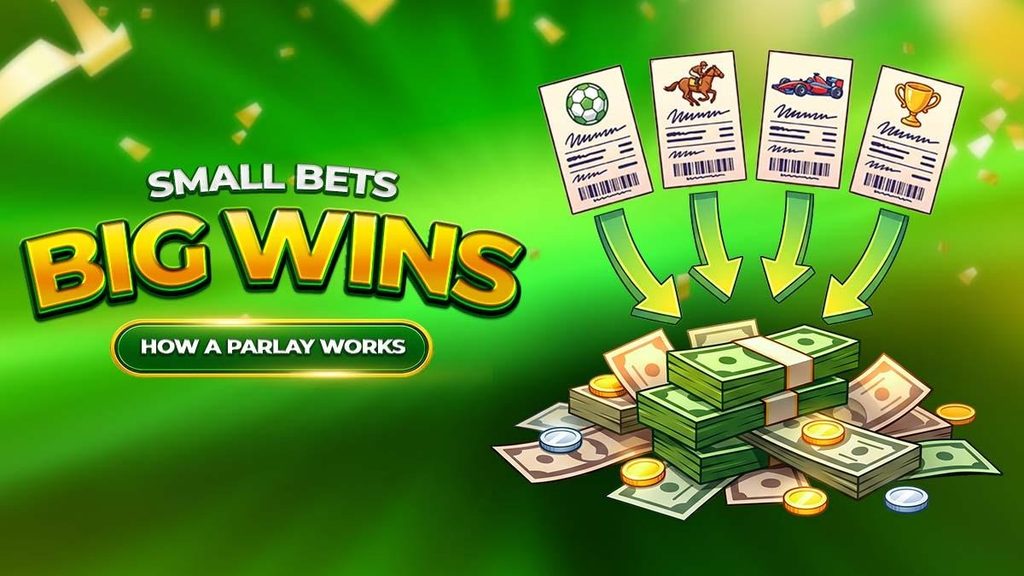
A parlay combines two or more individual wagers, each called a leg, into a single ticket. Every leg has to win for the parlay to pay out. Miss on just one, and the whole ticket loses, even if the other legs hit. That’s the mechanic behind the pull described above: a bigger potential payout, in exchange for needing everything to go right at once.
You can see the pull for yourself by checking today’s lines on UnliBets while you read.
How a Parlay Payout Works
Say you put ₱100 on two picks, each priced at 1.95 in decimal odds. Multiply them together (1.95 × 1.95 = 3.8025) and that ₱100 stake returns ₱380.25 total, or ₱280.25 in profit if both hit. Bet them separately instead, and a ₱100 stake on each would return ₱195 per winning leg, no multiplication effect.
If odds notation itself is unfamiliar, our guide on how to read sports odds covers decimal, American, and fractional formats in full.
Add a third leg at that same 1.95 price and the multiplier reaches 7.41, turning that ₱100 stake into ₱741. A fourth pushes it past ₱1,445. That escalating number is precisely the part that pulls people in. What it doesn’t show on the same screen is how fast the odds of collecting it are shrinking in the opposite direction.
Watch that number build on a real matchup by browsing today’s matchups on UnliBets.
Why the Payout Number Is So Persuasive
The excitement of a parlay comes almost entirely from that one number on the confirmation screen, the potential payout. It’s designed to be the most visible thing on the slip, and it works: a modest stake turning into a much larger number is genuinely more compelling to look at than the same stake earning a smaller, steadier return.
What that number doesn’t show, at least not with the same visual weight, is the probability behind it. A ₱100 stake that could become ₱1,445 sounds like an obviously good deal in isolation. Once you know that turning ₱100 into that number required four separate results to all break your way, the same number reads very differently.
This isn’t a flaw in how sportsbooks present parlays. It’s just how probability and payout naturally trade off against each other, and the payout half of that trade is simply more visually exciting than the probability half.
The Lottery-Ticket Effect
There’s a well-documented pull toward a small, affordable stake with a large ceiling, even when the expected outcome is worse than a steadier alternative. A ₱100 parlay that could become ₱1,000 feels meaningfully different from a ₱100 straight bet that returns ₱195, even though the straight bet is the mathematically sounder long-term play.
That feeling isn’t irrational so much as it’s answering a different question. A straight bet answers “what’s the smartest way to grow a bankroll over time.” A parlay answers “what gives me the most exciting few hours watching sports for a small amount of money.” Confusing which question you’re actually answering is where the trouble usually starts.
Types of Parlays
Once the basic appeal and the basic mechanic both click, the variations are just different ways of choosing what goes into the legs.
Same-game parlay (SGP). Instead of picking legs across different games, you combine multiple bets from a single matchup. Sportsbooks price these carefully since outcomes in the same game often move together, covered in more detail below.
Teaser. Lets you shift the spread or total in your favor on every leg, in exchange for a smaller payout than a standard parlay.
Round robin. Splits your picks into every possible smaller combination instead of one all-or-nothing ticket, trading some payout ceiling for less all-or-nothing risk, and arguably a more honest reflection of what you’re actually trying to accomplish if the goal is steadier results.
Parlay card. A fixed-format card, sometimes used for pooled contests, where the games and numbers are already printed and you just pick winners against them.
Whichever type you build, each individual leg works the way we cover in moneyline vs. point spread betting.
Correlated Parlays: Why Some Combos Aren’t Allowed
Two outcomes are correlated when one winning makes the other more likely too. Say you wanted to parlay a team to win with that same team’s star player to score above a certain total. Those aren’t independent outcomes: a big scoring night makes the team more likely to win, and vice versa.
Multiplying the odds of two correlated outcomes the way a standard parlay does would overstate the real combined probability, since normal parlay pricing assumes each leg is independent of the others. Sportsbooks handle this by blocking certain combinations outright, or pricing them through a dedicated same-game parlay product built specifically to account for that correlation, usually less generously than naive multiplication would suggest. There’s no shortcut hiding in a correlated combo. The excitement of a bigger combined number doesn’t change that the book already priced around it.
Some sportsbooks also offer an expanded same-game parlay product, sometimes labeled SGP+ or similar, that lets you combine legs from a same-game parlay with legs from a completely different game on one ticket. The appeal works the same way regardless of format: more flexibility in what gets combined, the same underlying multiplication, and the same growing number pulling attention away from the shrinking probability behind it.
What Counts as a Leg?
A leg is any single selection added to the parlay, whether that’s a moneyline pick, a spread, a total, or a player prop. Legs from unrelated games multiply cleanly. Legs from the same game get reviewed for correlation first, and sometimes priced differently as a result, exactly as covered above.
How the Payout Number Gets Built, Step by Step
Pick a first leg the way you would for any straight bet, and add it to your bet slip instead of confirming it right away. Add a second selection to that same slip, and most sportsbook apps will automatically combine them into a parlay, showing the growing combined odds in real time as each new leg gets added.
Watching that number update live, in real time, as each leg is added is itself part of the appeal. It’s a visible, immediate reward signal for an action that hasn’t actually resolved anything yet. Confirming the bet doesn’t guarantee the outcome. It only guarantees the number displayed was calculated correctly, nothing more than that.
The Same Pull Shows Up Elsewhere
This isn’t unique to parlays. Any product that pairs a small, affordable cost with a large, exciting ceiling taps into the same basic appeal, whether that’s a raffle ticket, a scratch card, or a game with a rare high-value prize. Parlays sit in that same category: a small stake, a visually impressive potential outcome, and a real but easy-to-underweight probability of actually collecting it.
Recognizing the pattern doesn’t require avoiding it entirely. It just means noticing when a decision is being driven by the size of a number rather than by the actual likelihood behind it, and treating that noticing as useful information rather than something to brush past on the way to confirming the bet.
What Happens If a Game Gets Postponed or Canceled
If a game in your parlay gets postponed or canceled before it’s played, sportsbooks generally treat that leg as void rather than a loss. A void leg gets removed from the parlay entirely, and the remaining legs are repriced using their own odds, the same handling as a push.
If the game is only delayed and still gets completed within the sportsbook’s own rescheduling window, commonly somewhere between 24 and 72 hours depending on the platform, the original leg usually still stands as placed. Always check a specific sportsbook’s own rules here, since the exact cutoff window varies by platform and isn’t standardized across the industry.
This matters more on a parlay than on a single straight bet, since a voided leg changes the payout on every other leg still on the ticket, not just the one that got postponed. The exciting number confirmed at placement and the actual settled number can genuinely differ if a leg gets voided along the way.
Common Mistakes That Come From the Appeal Itself
Chasing the number instead of the picks. Working backward from an exciting total payout, then filling in whichever legs get you there, is a different process than picking legs you’d genuinely bet on their own. The appeal of the number is precisely what makes this mistake so easy to fall into without noticing.
Stacking too many legs because the number keeps growing. Every added leg compounds risk faster than the growing payout number visually suggests. Six legs at reasonable odds can look exciting on the slip while carrying a single-digit chance of actually landing.
Treating one big hit as proof the approach works. A single winning parlay feels like confirmation, but one result, in either direction, says very little about whether building parlays regularly is actually a sound habit.
Not accounting for correlation. As covered above, certain combinations either aren’t allowed or get repriced against you specifically because the outcomes aren’t independent of each other.
Increasing stake size after a parlay hits. A win feels like confirmation that the approach is working, which makes the next stake feel safer to raise. The probability of the next parlay hitting hasn’t changed at all just because the last one did.
Parlay vs. Straight Bet: A Side-by-Side Look
A straight bet on one pick at 1.95 decimal odds turns a ₱100 stake into ₱195 total if it wins, needing only that one outcome. A 2-leg parlay at those same odds turns that same ₱100 into ₱380.25, nearly double the reward, but now two outcomes both have to land instead of one.
Neither approach is wrong. They answer different questions. A straight bet suits someone who wants a realistic, repeatable shot at a modest profit. A parlay suits someone who’s fine trading a lower hit rate for an occasional bigger number, as long as that tradeoff is a deliberate choice rather than something the payout number talked them into.
The Risk: Why All Legs Must Win
If each leg individually has a 50% chance of winning, two legs together only have a 25% chance of both winning (0.5 × 0.5). Four legs at that same probability drops to just 6.25%. The payout grows to compensate, but that growth is based on the book’s math, not a guarantee that the bigger number is worth the added risk for you specifically.
New Jersey’s Division of Gaming Enforcement data (as reported by Establish The Run) showed sportsbooks in that regulated US market held 19.9% on parlay bets in January 2024, compared to roughly 4-5% on standard straight bets, close to five times the house edge. That gap is the practical, measured cost of the same appeal described throughout this guide, expressed as an actual number rather than a general feeling.
Put another way: the excitement that pulls people toward parlays and the higher house edge that comes with them aren’t two separate facts. They’re the same fact, described from two different angles. The number that makes a parlay exciting is the same number that makes it structurally less likely to pay out.
That higher edge is exactly why disciplined bankroll management matters more with parlays than with straight bets, precisely because the appeal is strong enough to override good judgment if it isn’t kept in check.
Keeping the Appeal in Check
None of this means avoiding parlays altogether. It means being honest about which question you’re answering when you build one. If it’s genuinely for entertainment, a small, capped stake and a low leg count keeps that entertainment from quietly turning into your main betting strategy. If it’s meant to be a serious approach to growing a bankroll, a straight bet almost always serves that goal better, even though it will never feel as exciting on the confirmation screen.
Keep a simple log of every parlay placed, the legs, the odds, the stake, and the result. Judged over 20 or 30 tickets instead of one exciting night, the real pattern becomes clear in a way no single result, win or lose, could ever show.
A winning parlay tends to get remembered and talked about. A losing one, which happens far more often given the probabilities involved, tends to fade quietly into the background without much notice. That asymmetry in what gets remembered is itself part of why parlays feel like they hit more often than they actually do in practice, and it’s exactly what a written log corrects for.
Why Sportsbooks Highlight Parlays
It’s not a secret that sportsbooks promote parlay building tools prominently, same-game parlay builders, suggested combinations, live odds updates as legs get added. None of that is deceptive. Parlays are a legitimate product that a meaningful share of bettors genuinely want to build. But a product being popular and heavily promoted is a different thing from that product being the mathematically best way to bet, and it’s worth holding both of those facts at once rather than treating heavy promotion as some kind of endorsement of expected value.
FAQ
Why do parlays feel more exciting than straight bets? The potential payout is the most visible number on the slip, and it grows fast with each added leg. The shrinking win probability behind that number is real but far less visually prominent.
What happens if one leg of a parlay pushes? Most sportsbooks remove the pushed leg entirely and recalculate your payout using the odds of your remaining legs, rather than voiding the whole ticket.
How many legs can a parlay have? Sportsbooks generally allow anywhere from 2 up to a much higher cap, sometimes a dozen or more. Every added leg lowers your probability of winning, so most experienced bettors keep parlays short.
Is it wrong to enjoy building parlays? No, as long as the entertainment value is the honest reason, the stake stays small, and it isn’t mistaken for a serious wealth-building strategy in place of one that actually is.
Can I cash out a parlay before it finishes? Some sportsbooks offer a cash-out option that lets you settle a parlay early, usually at a reduced payout compared to letting it play out in full.
Why does a parlay feel like it hit more often than the math suggests? Wins get remembered and talked about far more than losses do, which skews perception of how often parlays actually come through over time.
Should I raise my stake after a winning parlay? The probability of the next one hitting is completely unrelated to whether the last one did, so a previous win isn’t a reason on its own to bet meaningfully bigger next time around.
That’s the full picture: the pull, the math behind it, and the practical steps that keep the pull from quietly running the show. Applying it to any specific matchup from here is just a matter of noticing which question you’re actually trying to answer before confirming the ticket.
Ready to See How the Math Plays Out?
Check out today’s lines and build your own parlay on UnliBets